A Complete Guide to Dressmaking Fabrics, Uses and Industries

Choosing the right dressmaking fabric can make a huge difference to the final look, feel and quality of a garment or project. Whether you are creating everyday clothing, costumes, bridal wear, dancewear, soft furnishings, pet bedding or specialist sportswear, the fabric you choose needs to suit the purpose.

At our fabric shop, we supply a wide range of dressmaking fabrics, from classic cottons and polycottons to luxury satins, lace, lycra, velvets, neoprene, organza, netting, faux fur and many more. With years of experience in the fabric industry, we understand that every project is different, which is why we offer fabrics suitable for both personal and professional use.

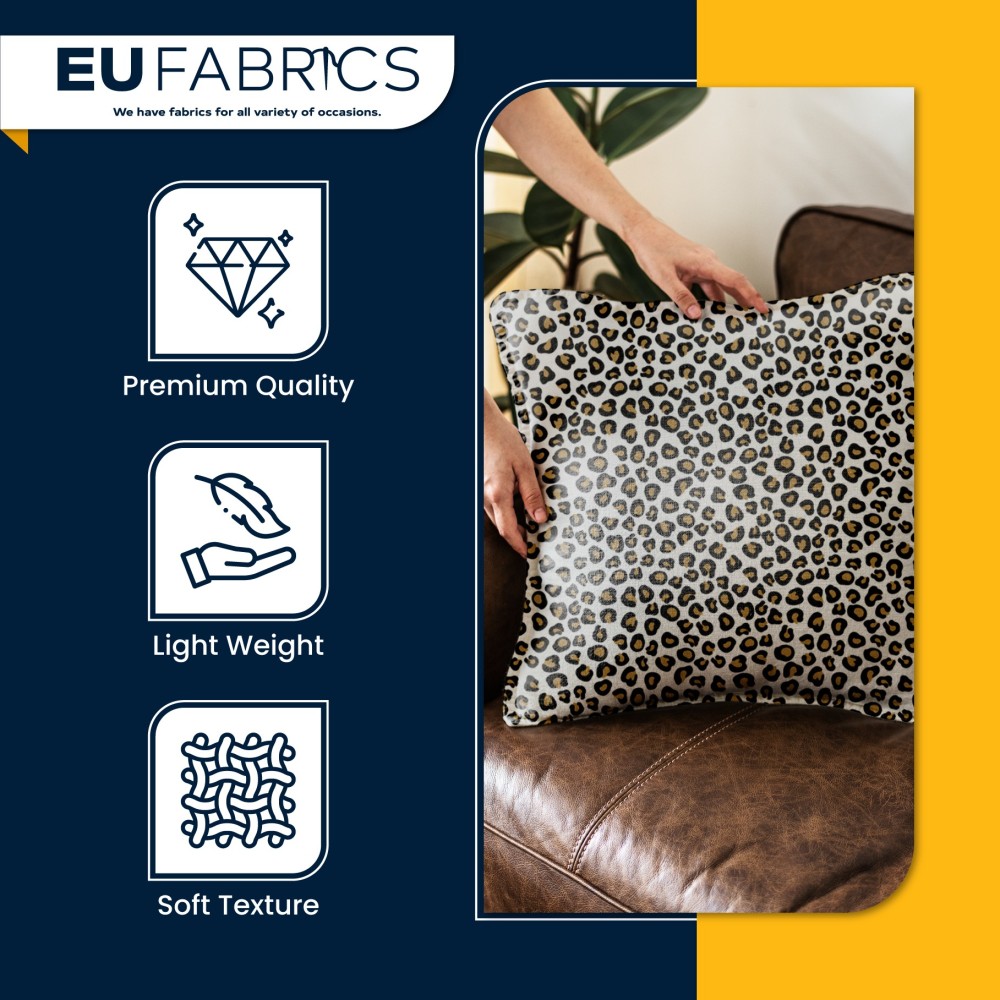
Animal Print Polycotton Fabric
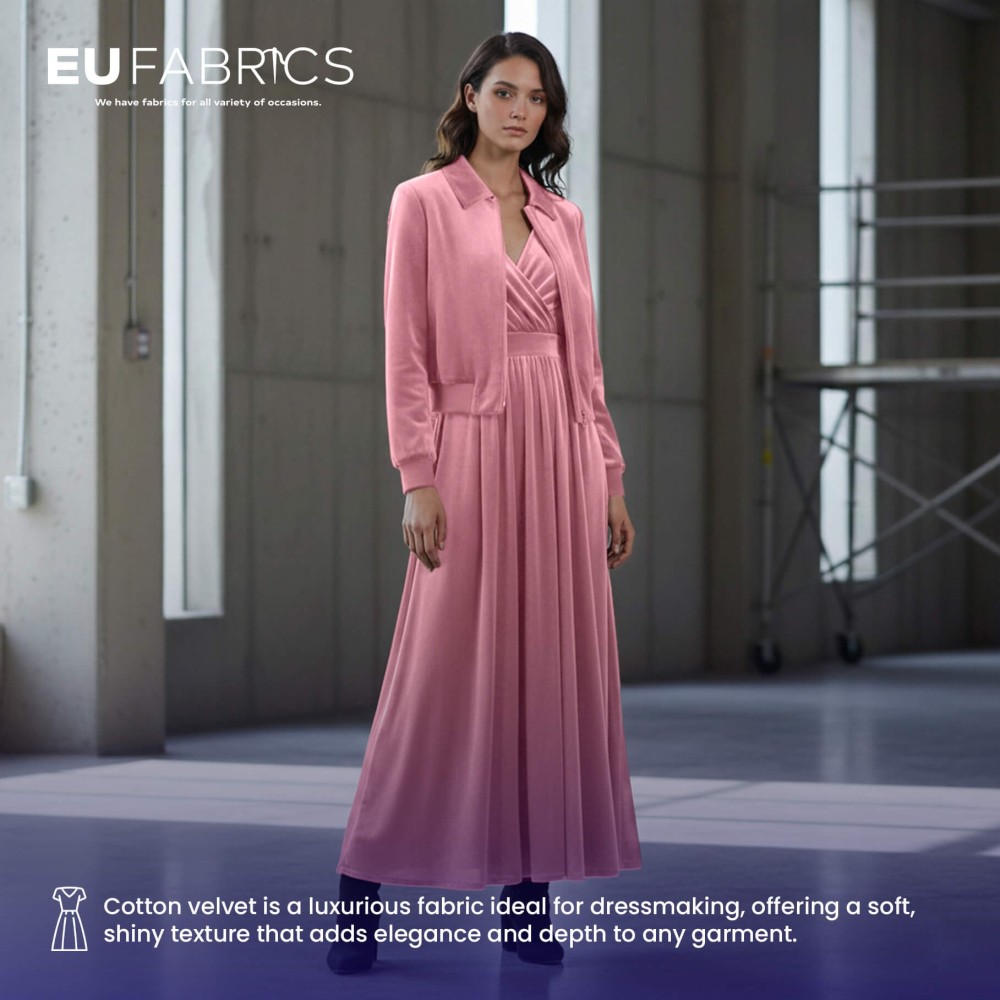
Baby Pink Cotton Velvet Fabric for Dressmaking
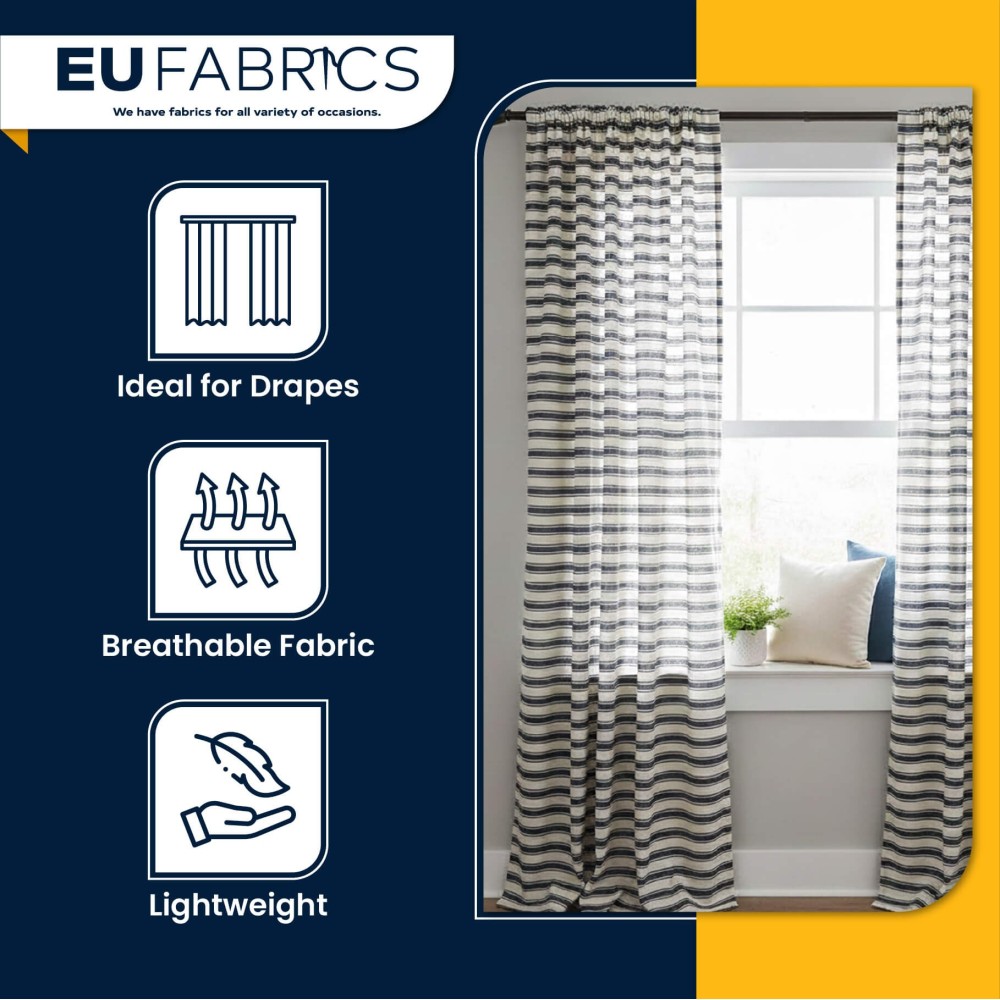
100 Percent Cotton Stripe Fabric
Continue reading “A Complete Guide to Dressmaking Fabrics, Uses and Industries”

Fleece Fabrics: Soft, Warm and Versatile Materials for Every Project

Fleece fabric is one of the most popular choices for anyone looking to create something warm, soft and comfortable. Whether you are sewing a cosy blanket, making winter clothing, crafting pet bedding or adding a soft touch to home décor, fleece is a practical and reliable fabric that suits a wide range of projects.

At our EU Fabrics Shop, our fleece fabric collection includes everything from anti-pill fleece and printed polar fleece to fluffy blanket fabrics, sherpa fleece, animal prints, paw print designs and novelty patterns. With plenty of colours, textures and prints available, it is easy to find a fleece material that matches your style, season and sewing project.

Fleece Fabrics: Soft, Warm and Versatile Materials for Every Project

Continue reading “Fleece Fabrics: Soft, Warm and Versatile Materials for Every Project”

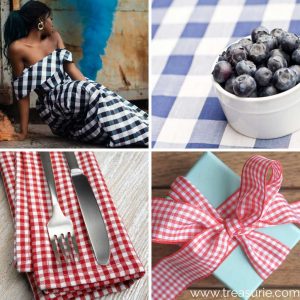
Gingham Fabrics and its usage in accessories and clothing

Gingham is a lighter fabric made up from either 100% cotton or a cotton blend mixed with polyester like a polycotton or other fibres depending on the end use. Gingham is a traditional name originating from Malaysia, however, during the 17th century when the fabric was imported in to Europe other countries such as India, Indonesia and even France have claimed the fabric to have originated from there.

The unique quality of the material is the bright coloured stripe and then evolved in to a chequered design similar to other plaid fabrics.

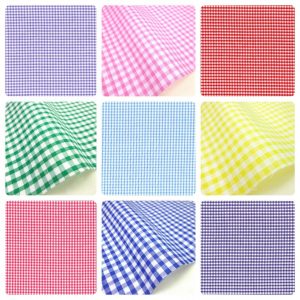
India and Indonesia were able to produce large quantities of gingham due to the scale of production of the textile/ linen industry. Gingham was originally made with three main colourways, red and white, blue and white or yellow and white. The dyes used were all natural like madder, indigo and turmeric. Natural dyes were easily accessed in India and Indonesia therefore production was on a larger scale and able to export to other continents.

The material has always been a popular option throughout the world, especially in America throughout the southern states during the 1920’s up until the late 80’s when gingham started to change dramatically and other designs and materials became popular. Internationally gingham represents different spiritual symbolisms and uses compared to other countries using gingham as a practical fabric.

Continue reading “Gingham Fabrics and its usage in accessories and clothing”

Cotton shirting materials

Cotton shirting is a term used to describe 100% cotton fabric that has been woven tightly together to form a material that is of a slightly heavier weight and density making the fabric not as sheer as other cotton materials. This is the perfect material for a cotton shirt, this can be dyed or a pattern like stripes woven in to the material.

Continue reading “Cotton shirting materials”

Viscose Tartan applications, benefits and its care

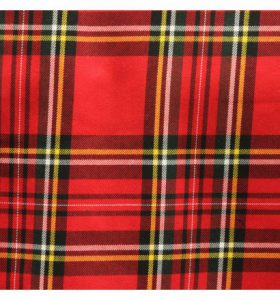
Viscose Tartan is a make-up of synthetic fibres such as Polyester and Viscose, the percentage can vary depending on the manufacturer and the required outcome. It is a cost-effective fabric that imitates a Tartan look. Originally tartan was produced by weaving wool in a criss-cross pattern of different colours and variations, Tartan originates from Scotland and is still produced in high volumes.

The production methods have moved over to using synthetic yarns and machine woven to produce the fabric at a quicker pace resulting in a high volume of fabric at a low cost. The imitation tartan is used for many different projects and is available in different finishes and textures allowing tartan to be used openly.

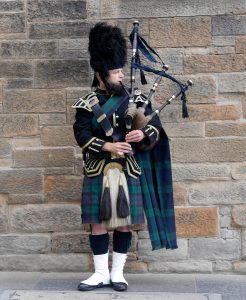
Scotland Edinburgh Bagpipes wearing Tartan Fabric
Scotland Edinburgh Bagpipes wearing Tartan Fabric.
Excellent quality viscose tartan fabric in checks.
Excellent quality viscose tartan fabric in checks. Click image to visit product page.

Continue reading “Viscose Tartan applications, benefits and its care”

Corded Lace a touch of elegance to dresses, clothes and other fabric projects

Lace has been around for centuries some older than others, corded lace was initially produced in the 16th century in France. Alencon lace is another name for corded lace as it was produced in a small town in France named Alencon prior to the French revolution.

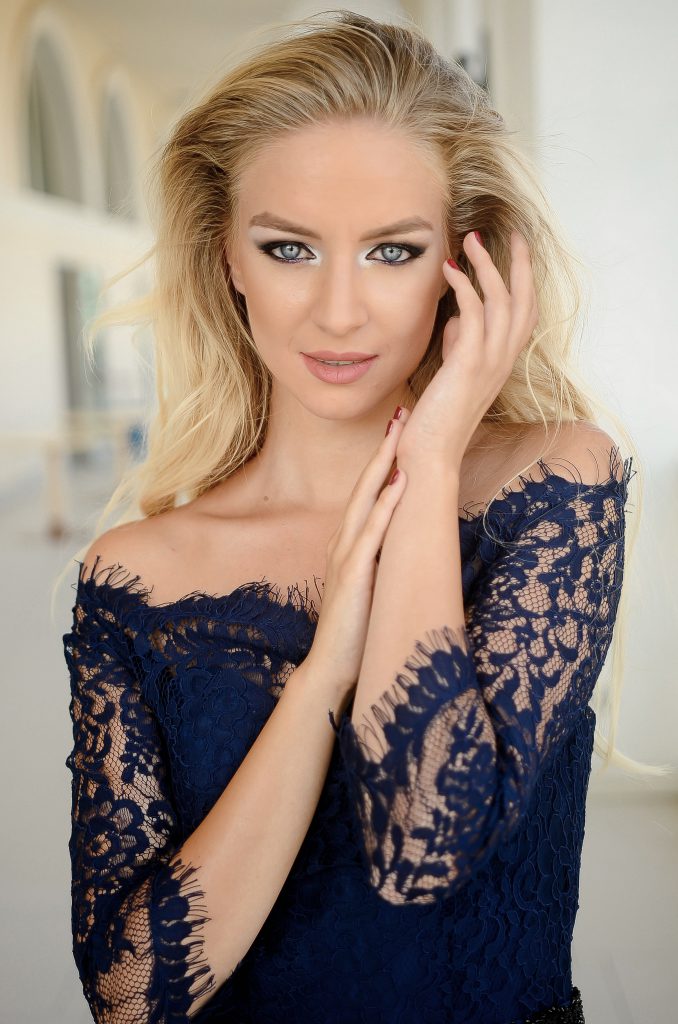
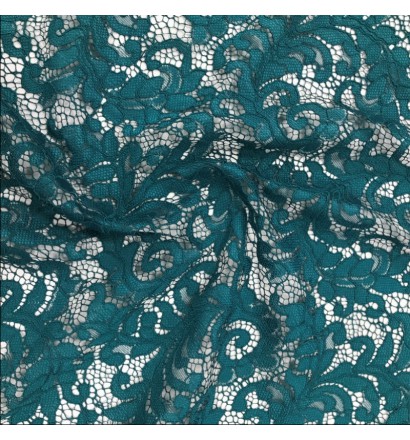
Corded lace is a three-dimensional lace, where the woven patterned lace is lined or layered with an extra thread that may be twisted or a much thicker yarn to create this design. The highlighted sections stand out and give an extra dimension to the lace making it very different compared to the usual lace.

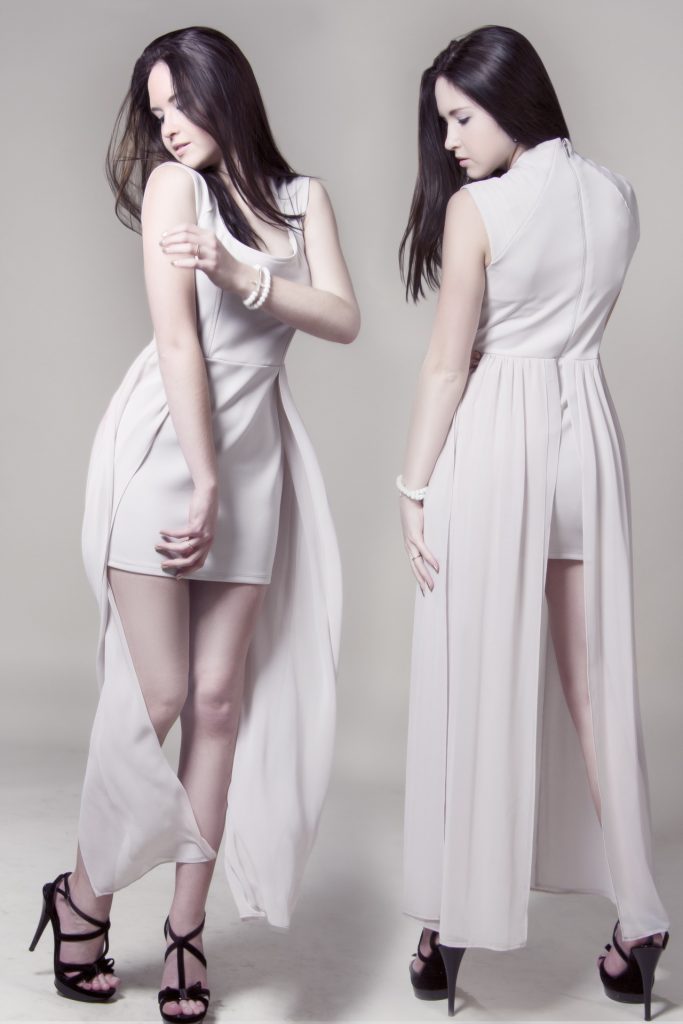
Model wearing beautiful dress made off Corded Lace fabric

High quality Corded Lace Fabric
Continue reading “Corded Lace a touch of elegance to dresses, clothes and other fabric projects”

Characteristics of Polyester voile and its applications

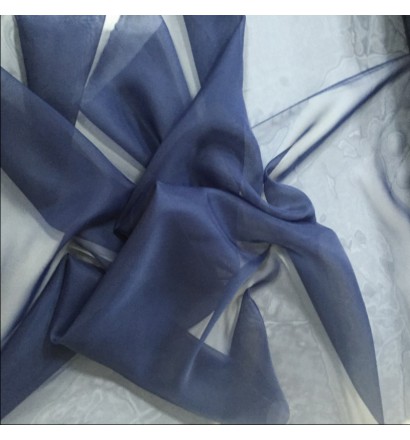
Voile is a lightweight fabric that can be produced with many different combinations of yarn; voile is a French word meaning veil reflecting the light fabric that is also semi-transparent. Polyester voile is made from fine synthetic yarns and they are woven very closely to produce this fine weave with a soft delicate touch.

Continue reading “Characteristics of Polyester voile and its applications”

Georgette materials production, types and usage

Georgette is a synthetic fabric made up from either polyester or nylon. Originally when Georgette was invented by a French dressmaker early 20th century it was produced with silk yarns. As materials and processes have developed there is a cheaper and easily accessible Georgette which is made up of a synthetic yarn.

Georgette is a lightweight slightly textured crepe fabric with a dull finish compared to other crepe materials like chiffon. The crinkles in the fabric are made by alternating yarns in the weft and warp creating this texture when it is relaxed. Double Georgette is a heavier weight compared to the other types of Georgette available.

Continue reading “Georgette materials production, types and usage”

Crepe Chiffon and ideal fabric for many projects

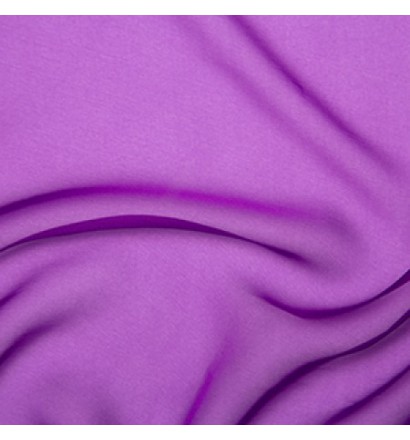
Chiffon is a lightweight sheer fabric originally produced with silk yarns, however new processes and new technology has developed chiffon is now produced with nylon and polyester yarns. This is a cheaper lightweight fabric if produced with synthetic yarns, the advantage of synthetic over silk is the durability aspect so the fabric will naturally last longer than a silk chiffon.

Looking closely at the chiffon you will see similar construction like a net, it is a fine material with more of a spaced weaving method. Crepe chiffon has more of a texture as the two yarns are twisted both the warp and weft in an order creating a crinkled effect. This adds to the texture and characteristics of the fabric so if you are using it for any project it will add a difference to the fabric and lift it.

Plain Crepe Chiffon Fabric
Continue reading “Crepe Chiffon and ideal fabric for many projects”

Composition of Polycotton, its properties and applications

Polycotton is made up of a percentage of cotton and another percentage of polyester creating this combination fabric. The usage would depend on the percentage of each material, as different combinations would give a different finish and have different properties.

Cotton is a natural staple fibre made from the cotton plant that is a shrub native to the hotter climates such as Central America, South America, Africa, the Arab peninsula and Asia. The fibres are spun, dyed and woven to create cotton.

Polyester is a man made fabric using synthetic and natural plant cuticles to create a new fabric that has imitated other natural fabrics but with better qualities or more advantages.

The two combined create a semi natural fabric that will have more advantages then just cotton, as the polyester can help with waterproofing or insulating the fabric. Also it can help with protection qualities such as strength and making it abrasion resistant.

 Polycotton Drill Fabric
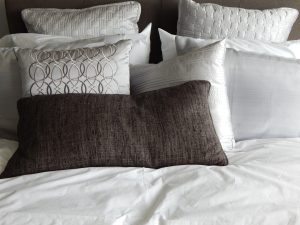
 Pillows & covers made of Polycotton Fabric

Continue reading “Composition of Polycotton, its properties and applications”